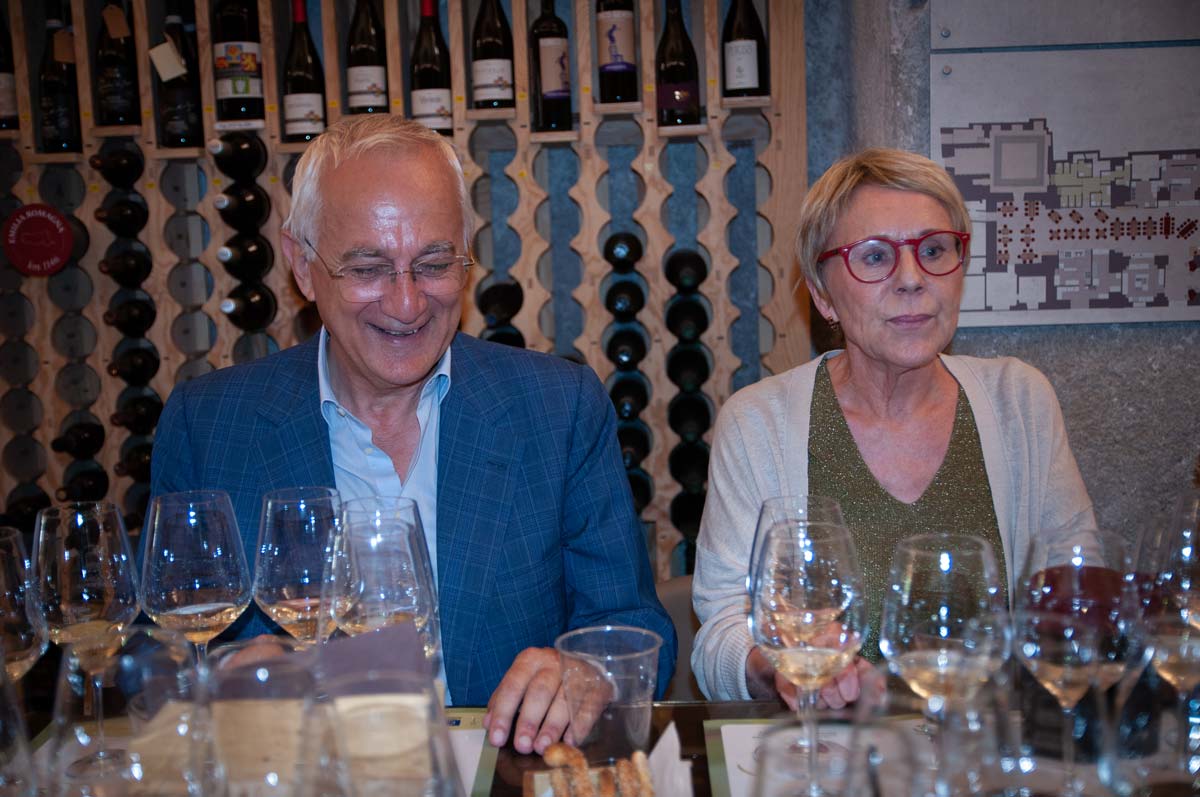
Interview with Veronika Crecelius, giornalista
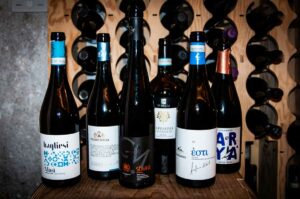
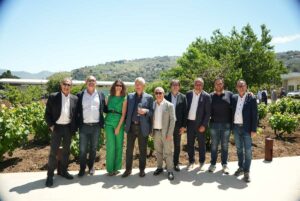
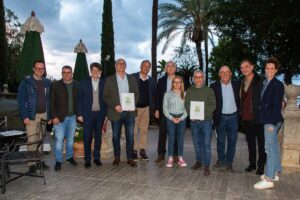
Veronika Crecelius is one of the most respected voices in international wine journalism. For decades, she has introduced Italian wines to German and international audiences, always with a particular eye for Sicily and its ongoing transformation. Curious, knowledgeable, and independent, she has crossed territories and cellars with the depth and patience of someone who truly sees wine as culture and connection. We met her after a focused tasting of the wines from ARCA – Regional Association for Authentic Catarratto. The impression was strong, clear, and sincere-not a promotional gesture, but a meaningful endorsement.
Interview by Gran Via
Ms. Crecelius, after tasting several Catarratto wines from ARCA, what are your main impressions?
What struck me most was the stylistic consistency within a range of interpretations. I tasted fresh, vertical, almost razor-sharp wines, and others that were more complex, involving skin contact or barrel aging—but all shared a recognizable, clear identity. When Catarratto is well cultivated and vinified with care, it delivers a very precise flavor signature: citrus notes, saline tension, and an initial reserve that opens up with depth over time. ARCA’s wines aren’t made to impress at first sip-they’re made to speak over time. And to me, that is an immense value.
What makes Catarratto a distinctive white in the European landscape?
Its natural balance between structure and freshness. It ripens well even in warm climates, while maintaining excellent acidity. But most importantly, it has a remarkable ability to absorb and express its terroir—soil, exposure, elevation. In that way, it reminds me of great grapes like Riesling or Chenin Blanc. Every parcel can give a different result, and every producer can tell their own story. This is what makes Catarratto a contemporary grape—because today’s consumer is looking for authenticity and diversity, not standardization.
You’ve long documented Sicily’s evolution in the wine world. How does ARCA fit into this journey?
Sicily has undergone an extraordinary transformation: from a land of anonymous wines to a region rich in identity-driven projects. But much work remains to be done in terms of consistency. ARCA is an important step in this direction—it’s not about a single label or marketing operation, but a shared cultural vision. What impressed me most was the care each winery devotes to its vineyard, the awareness behind agronomic choices, and the respect for natural timing. This is the language of seriousness—not aggressive marketing, which can often do more harm than good.
How can Catarratto succeed in the German market, which is increasingly focused on wine values?
The German public has become very demanding. They want honest wines, deeply tied to their land, with a clear story. Catarratto, if communicated properly, can resonate with that mindset. It’s versatile, adaptable to multiple styles (still, sparkling, skin-contact), but it must always remain true to itself. The storytelling must be sincere—not just about techniques, but about people. The fact that ARCA wines are made by families, in hillside vineyards, with strong agricultural roots—that’s a huge advantage. But it’s also essential to be present, to engage, to build relationships. And I see that ARCA is doing this intelligently. There’s a segment of Italian and German gastronomy that wants wines that express their land clearly in the glass.
If you had to describe Catarratto in one word after this experience, what would it be?
Eclectic—in the best sense. Catarratto isn’t chameleonic because it changes to please; it’s adaptable because it knows how to express the place it comes from. In that sense, it’s like certain actors who can play many roles without ever losing their voice. It’s a grape that still has much to say. And if it continues to be cultivated and vinified with this kind of respect, it will finally take its rightful place among Europe’s great white wines.