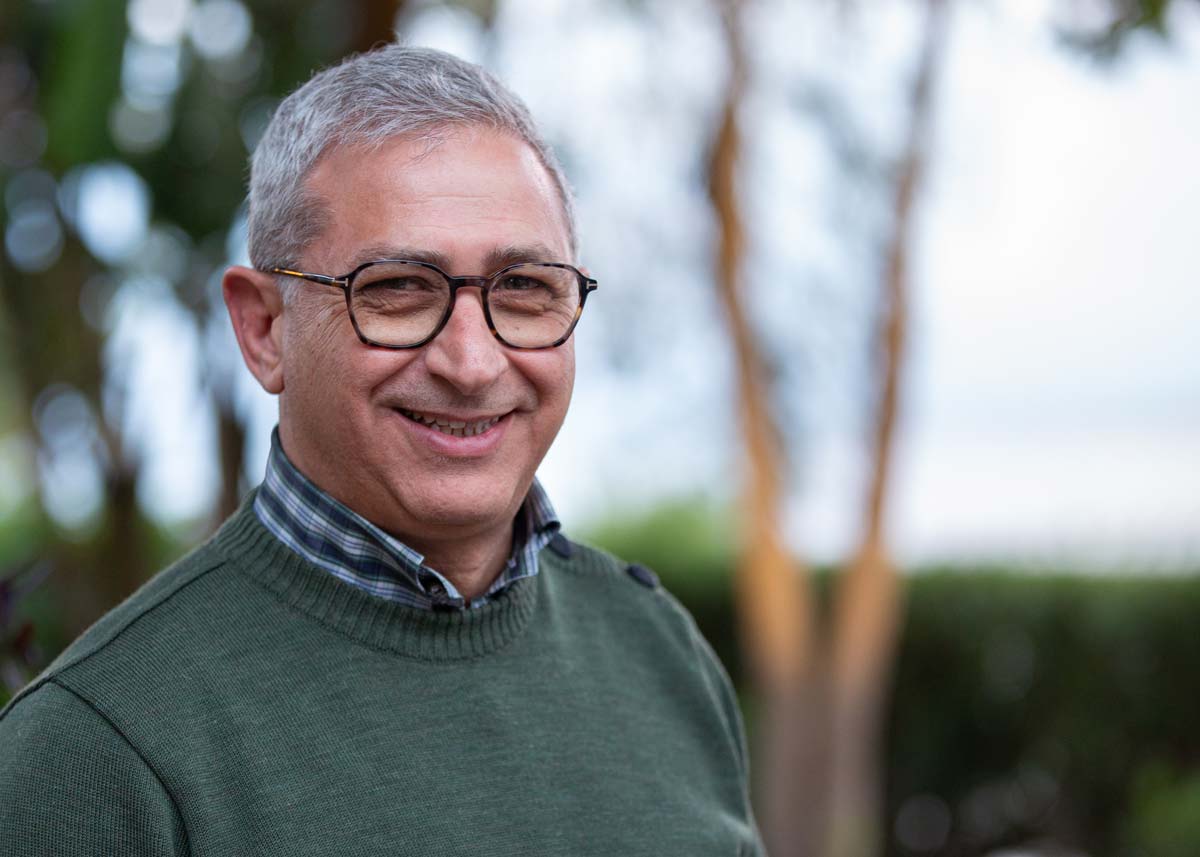
Interview with Tonino Guzzo
Interview by Gran Via
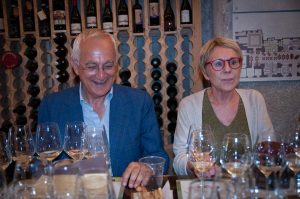
Thirty harvests, difficult choices, and unwavering professional consistency. Tonino Guzzo needs no introduction: one of the most respected oenologists in Sicily, a man who believed in Catarratto when almost everyone else had written it off—and who now guides it toward a new season of awareness. In his words, one hears technical rigor, love for the land, and a rare clarity about the future. We sat down with him to discuss Catarratto, the responsibilities that lie ahead for winemakers and oenologists, and the role that ARCA can play as an ethical, cultural, and technical hub for the rebirth of Sicily’s most emblematic grape.
Guzzo, you were among the first to defend Catarratto in its most difficult years. What convinced you not to abandon it?
For me, Catarratto was never a trendy choice. It has always been a matter of conscience. I’ve always believed in its authenticity, in its ability to represent the soils and skies of inland Sicily. It’s not a grape that gives itself up easily: it requires listening, patience, and study. But when you understand it, it rewards you with wines that are elegant, saline, and long-lived. In the early days, it was hard to defend it—it was considered rustic, a workhorse grape. But in that rusticity, in that resilience, I saw its genetic strength. Today, the world is searching for honest wines. Catarratto has everything it needs to be among them. But it takes awareness, culture, and sensitivity.
Culture also means understanding the biotypes – the differences between Lucido, Comune, and massal selections. How important is that distinction today?
It’s absolutely essential. Talking about Catarratto in generic terms is a mistake. There are highly distinct biotypes with different agronomic behaviors, aromatic profiles, and phenological timelines. Lucido, for example, is more refined, with a more delicate nose. Comune offers more body but must be restrained. Then there are the massal selections—the historic clones preserved by families that have made grape-growing a personal narrative. Any honest producer must understand what’s in their vineyard. Because you can’t make an identity-driven wine if you don’t deeply know your raw material. It takes research, education, exchange. In this sense, ARCA can become a truly valuable laboratory.
You often speak of balance and respect. Are those the cornerstones of your winemaking philosophy?
Absolutely. Balance is everything—not just in the vine, but in the mind of the winemaker. A wine is born first in the producer’s thoughts, then in the vineyard, and finally in the cellar. If there’s no respect for nature’s rhythms, for the complexity of the vineyard, for the labor of human hands, then that wine will never have dignity. I believe in clean, essential, non-invasive processes. I believe the oenologist must be an interpreter, not a fixer. With Catarratto, this is even more true: it’s a grape that resists manipulation. It must be accompanied, not forced.
Today, there’s a risk that even Catarratto becomes a trend. How can we avoid that?
With one word: truth. We must have the courage to say that not all Catarratto is good, that not all vinifications are equal, that study, investment, and time are necessary. Trends lead to rushed, superficial decisions. ARCA can resist that logic—because it stems from ethical conviction, not commercial strategy. The diversity of styles is a strength, but it must never be an excuse. We must begin with the land, listen to the vineyard, and understand that each cluster has its own timeline. Only then can we build a credible narrative. And only then can we create wines that speak to international markets – not through exoticism, but through identity.
Finally, what is your hope for the future of Catarratto and those who cultivate it?
My hope is that Catarratto will finally be recognized as one of the great Mediterranean whites—not just a traditional variety. And that those who grow it will do so with honesty, with vision, and with humility. That the value of inland areas, of elevation, of staggered harvests and artisanal labor will be appreciated. And that we return to seeing wine not just as a product to sell, but as an agricultural and cultural act. ARCA is a real opportunity to build that future. But the real work is done by people. And I continue to believe in it—every single day.